Common Sage (Salvia officinalis)
Common Names
Common Sage, Garden Sage, Culinary Sage, True Sage, Kitchen SagePlant Family
Lamiaceae (Mint Family)Native to North America?
No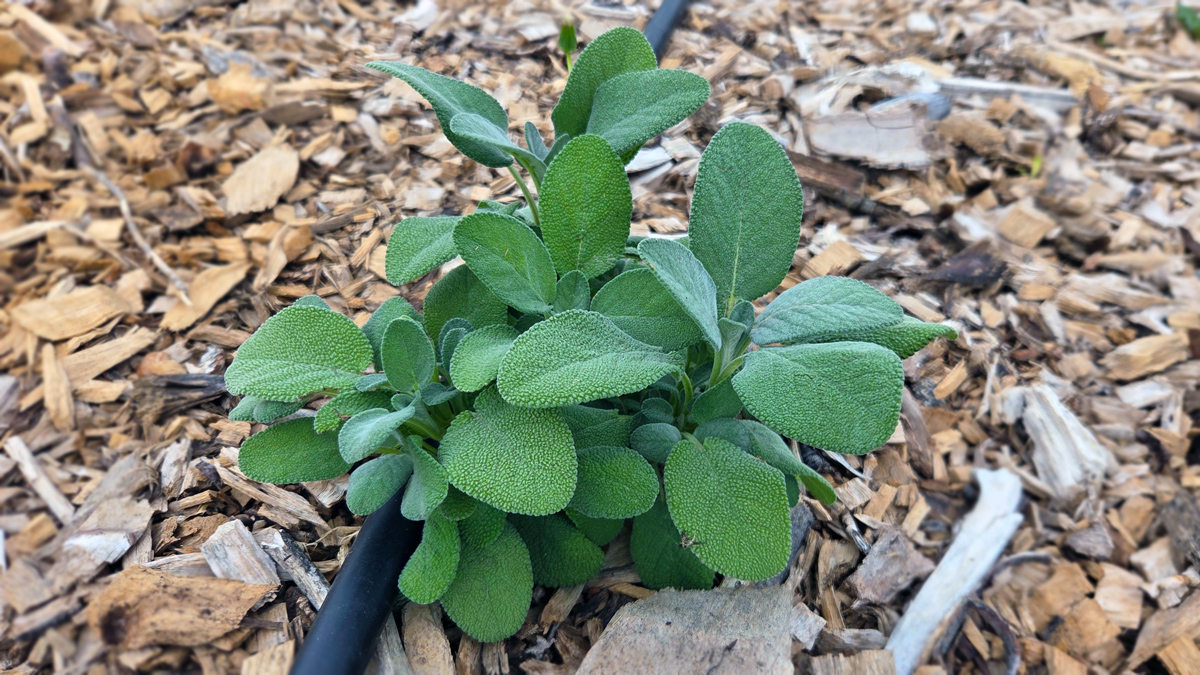
Description/Taxonomy
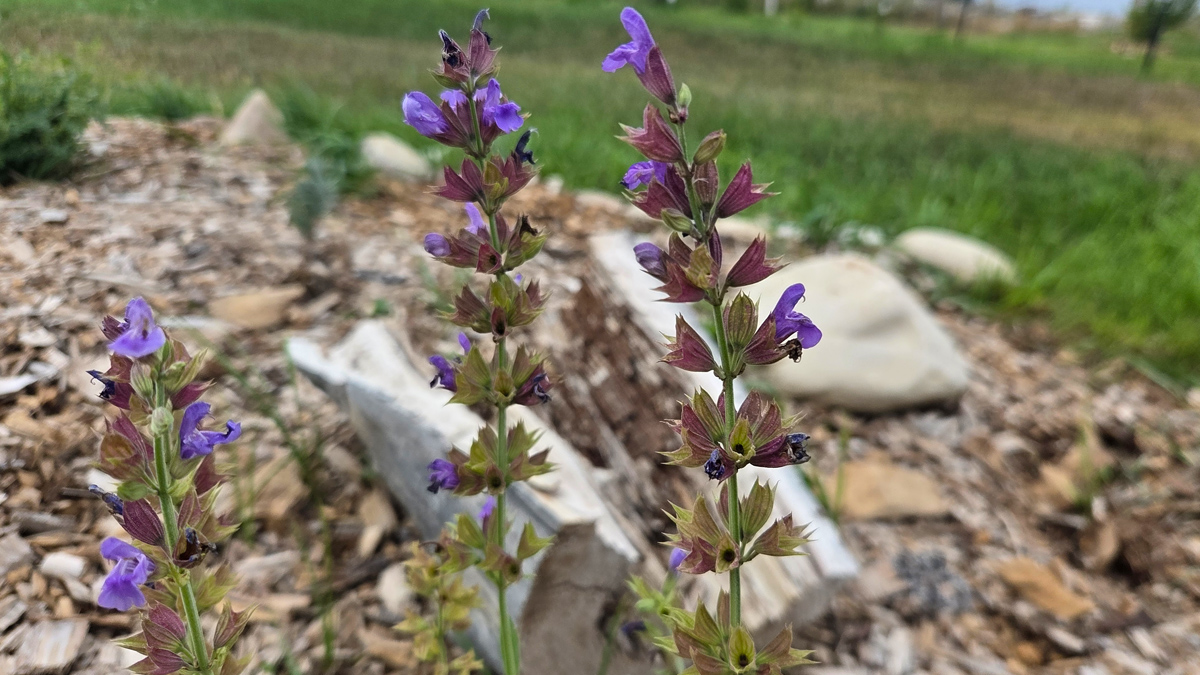
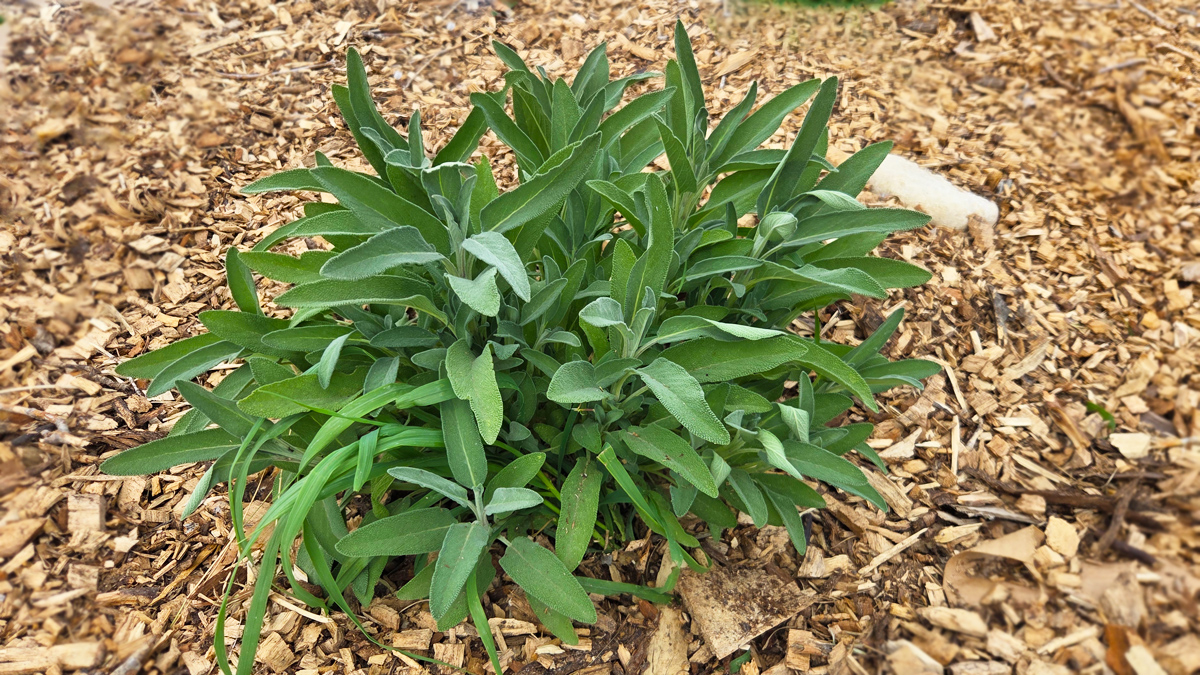
Common sage (Salvia officinalis) is a woody, evergreen perennial subshrub native to the Mediterranean region. It features soft, grayish-green, textured leaves with a distinctive pebbled surface, and square stems typical of the mint family. In late spring to early summer, it produces spikes of purple-blue (occasionally pink or white) tubular flowers. Plants form a mounded, shrubby habit and become increasingly woody at the base with age.
History
Sage has a long history of cultivation dating back to ancient Greek and Roman times, valued for both culinary and medicinal purposes. Its genus name Salvia derives from the Latin 'salvere,' meaning 'to be saved' or 'to heal,' reflecting its longstanding reputation as a healing herb. It was widely used throughout medieval Europe, thought to promote longevity, and became a staple of European herb gardens and monastic medicine.
Parts Used
Leaves
Hickok Farms Products
Coming Soon
Cultivation
Sage prefers well-drained, moderately fertile soil and full sun; it is highly drought tolerant once established and dislikes wet, poorly drained conditions, which can cause root rot. It can be grown from seed, cuttings, or division, and benefits from an annual pruning in spring to prevent legginess and encourage fresh growth. Sage is relatively low-maintenance, drought tolerant, and pairs well in herb gardens with other Mediterranean herbs like rosemary and thyme.
Growing Zones
4-10 (perennial; grown as annual in colder zones)
Light Requirements
Full Sun
Soil Moisture
Dry to Medium (well-drained, drought tolerant)
Mature Height
1.5' - 2.5' tall
Mature Spread
1.5' - 3' wide
Bloom Time
Late Spring to Early Summer (purple-blue flowers)
Advantages
Drought tolerant, evergreen in mild climates, deer and rabbit resistant, attracts pollinators, aromatic foliage deters some pests, low maintenance, culinary and ornamental value
Constituents
Essential oils containing thujone, camphor, and cineole; also contains rosmarinic acid, flavonoids, and tannins, which contribute to its antioxidant and antimicrobial properties.
Culinary Uses
One of the most widely used culinary herbs, sage is prized for flavoring meats (especially poultry and pork), stuffing, sauces, and butter. It pairs well with rich, fatty foods and is a key ingredient in many European dishes, including Italian saltimbocca and various stuffings and sausages.
Herbal and Medicinal Uses
Traditionally used as a tea or gargle to soothe sore throats and reduce inflammation of the mouth and throat. Also used to support digestion, and traditionally taken to help manage excessive sweating and hot flashes. Some studies suggest sage may support cognitive function and memory, though it should be used with care due to thujone content, especially in concentrated or prolonged use.