Anise Hyssop (Agastache foeniculum)
Common Names
Anise Hyssop, Blue Giant Hyssop, Fragrant Giant Hyssop, Lavender Giant Hyssop, Elk MintPlant Family
Lamiaceae (Mint Family)Native to North America?
Yes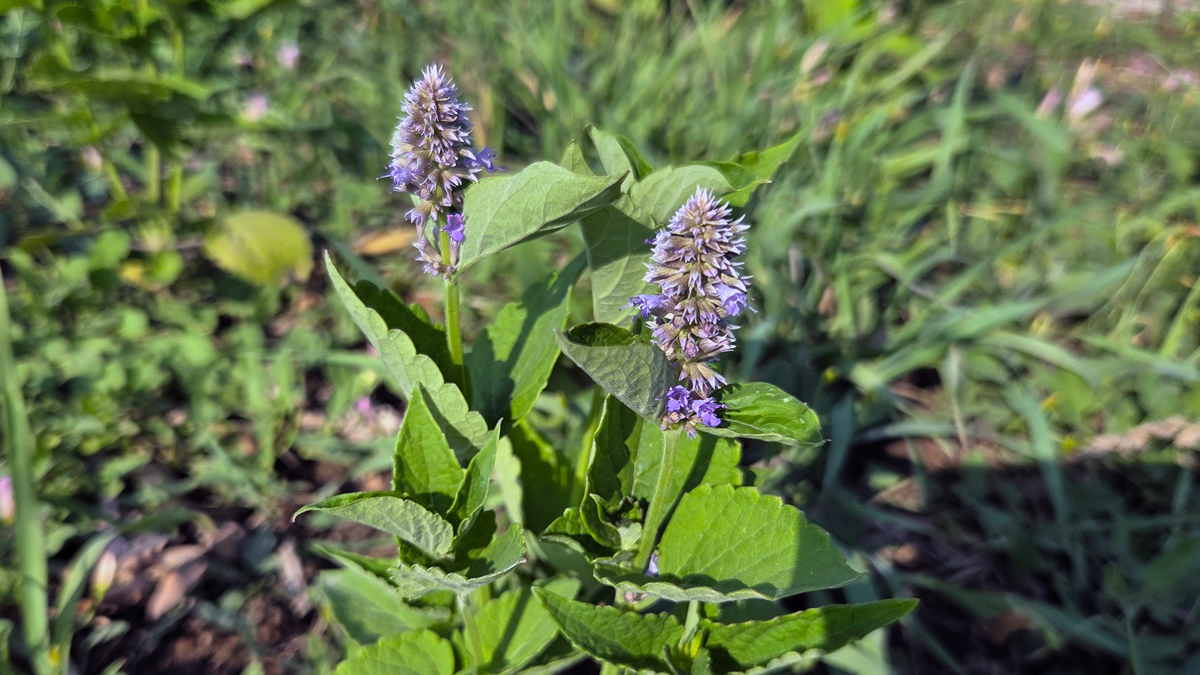
Description/Taxonomy
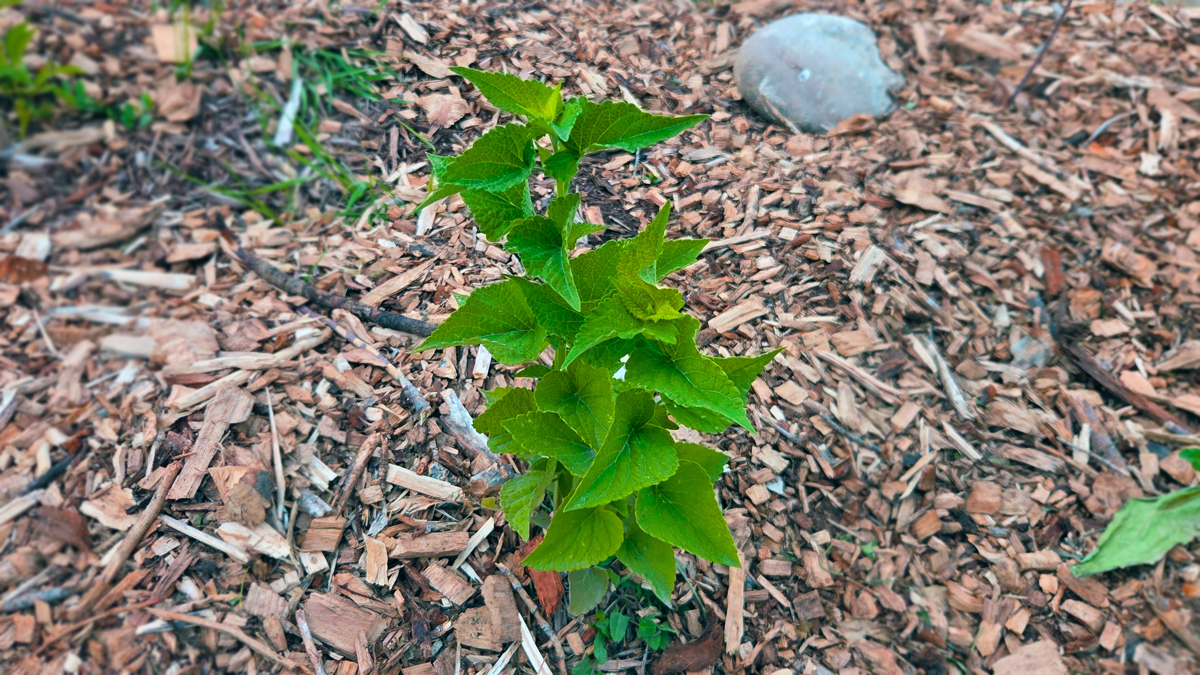
Anise hyssop (Agastache foeniculum) is a herbaceous perennial in the mint family, notable for its square stems, aromatic gray-green leaves, and dense spikes of lavender-blue tubular flowers. Plants typically grow 2-4 feet tall in an upright, clumping habit. The leaves have a distinct anise/licorice scent when crushed, which gives the plant its common name despite being unrelated to true hyssop (Hyssopus officinalis) or anise (Pimpinella anisum).
History
Anise hyssop is native to the northern and central plains of North America and was used by various Indigenous peoples, including the Cheyenne, Chippewa, and Ojibwe, as a medicinal herb and sweetener for other medicines. It was traditionally brewed as a tea for coughs, colds, and fevers. Since the 20th century, it has become widely popular in ornamental and pollinator gardens throughout North America and Europe.
Parts Used
Leaves, flowers
Hickok Farms Products
Coming Soon
Cultivation
Anise hyssop is easy to grow and adapts well to a range of soil types, though it prefers well-drained soil of average fertility. It is drought tolerant once established and does not like soggy or heavy clay soils. Plants can be started from seed (which often self-sow readily) or division. Deadheading spent flower spikes prolongs bloom and can help control self-seeding. It is generally low-maintenance and pest-resistant.
Growing Zones
4-9
Light Requirements
Full Sun to Part Shade
Soil Moisture
Medium to Dry (well-drained)
Mature Height
2' - 4' tall
Mature Spread
1' - 3' wide
Bloom Time
Summer to Early Fall (lavender-blue flowers)
Advantages
Highly attractive to bees, butterflies, and hummingbirds; drought tolerant once established; deer and rabbit resistant; long bloom period; fragrant foliage; excellent cut and dried flower; self-seeds readily
Constituents
Essential oils rich in methyl chavicol (estragole) and other anise-scented compounds, flavonoids, tannins, and rosmarinic acid, contributing to its aromatic and antioxidant properties.
Culinary Uses
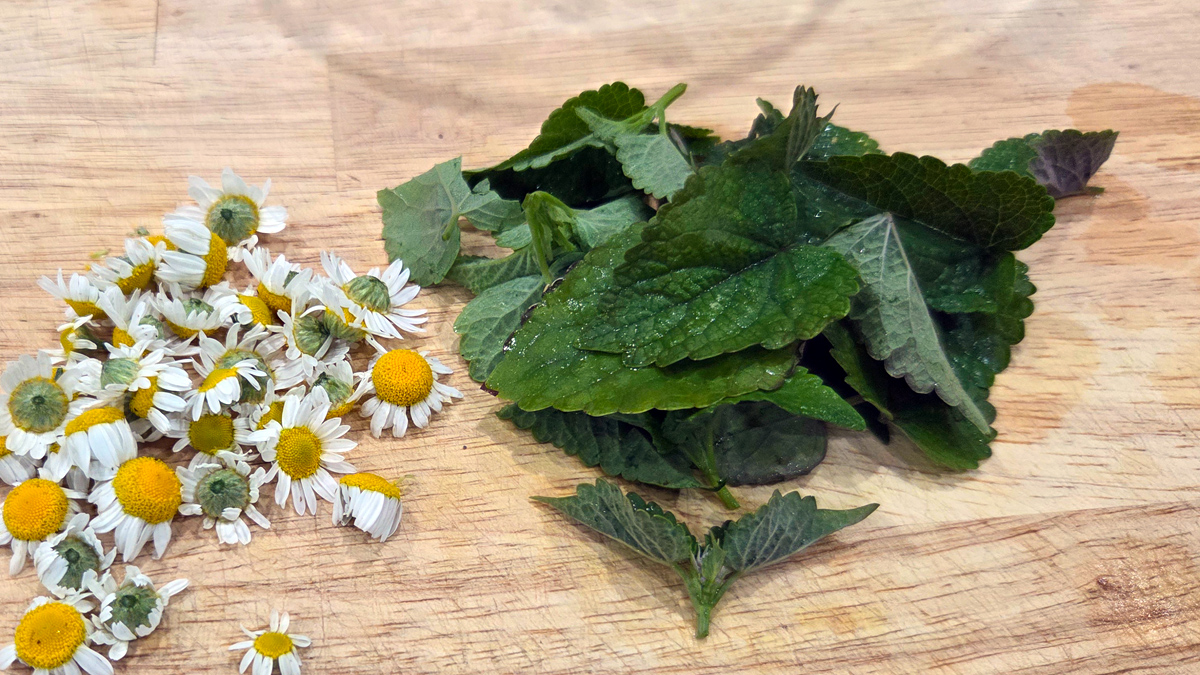
Leaves and flowers have a mild anise/licorice flavor and are used fresh in salads, fruit dishes, and teas, or dried for seasoning. The edible flowers make an attractive garnish, and the leaves can be steeped for a fragrant herbal tea.
Herbal and Medicinal Uses
Traditionally used by Indigenous peoples as a tea for coughs, colds, fevers, and to soothe chest congestion. Also used topically in poultices for burns and to help with diaphoretic (sweat-inducing) effects during fevers. Modern herbalists sometimes use it for mild digestive upset and as a calming tea.