Getting Started

TLDR - Just Give Me the Bullet Notes!

Raising your own chickens for consumption isn’t complicated, and you can do it without embracing all the psychospiritual hocus pocus promoted by lifestyle and agricultural influencers selling you homesteading courses and lessons. All you need to do is house, protect, and feed chickens. Whether you are interested in starting to raise your own poultry for meat, or are looking at how you can improve your process, this is the guide you need. It is based on our experience growing spring and fall batches of Cornish Cross birds on pasture, year after year.

If you can't raise your birds on pasture, I strongly suggest having a large and secure run. Don't overcrowd your chickens, and expect pen raised birds to have a higher finished cost per pound.
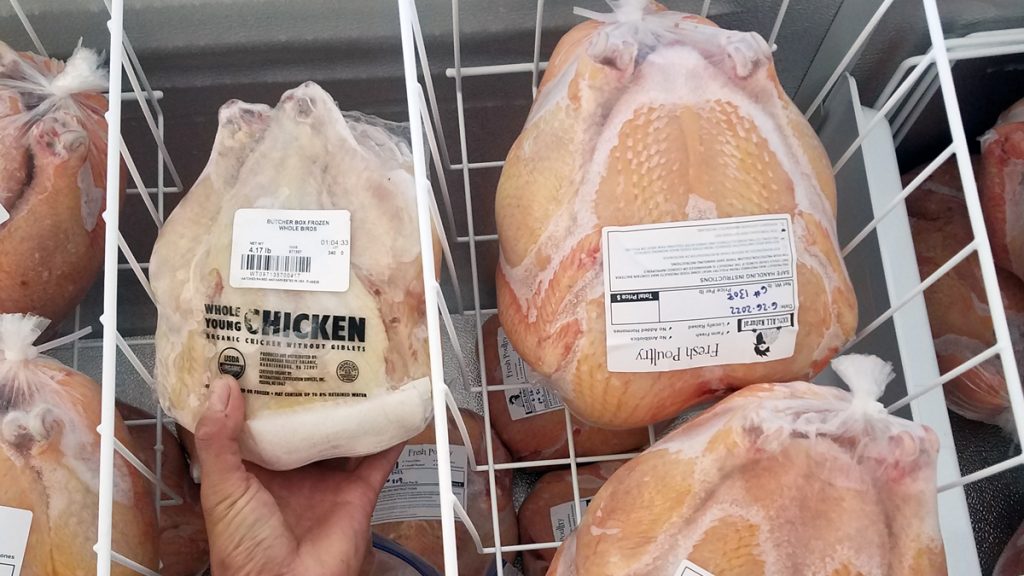
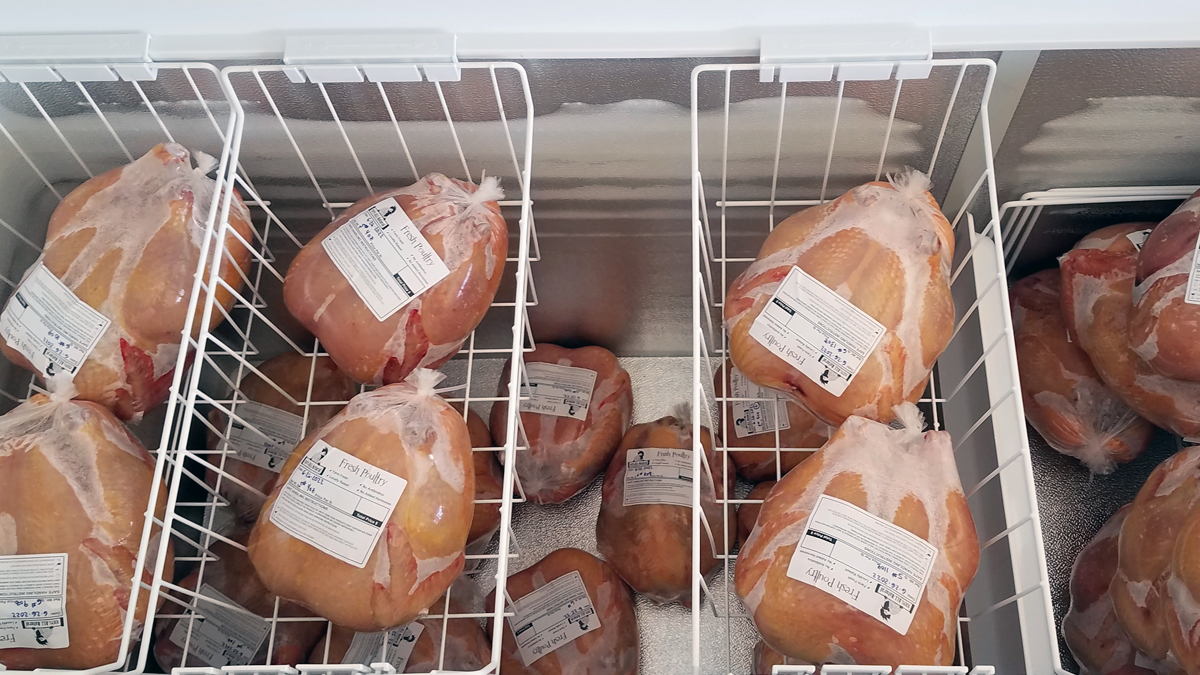
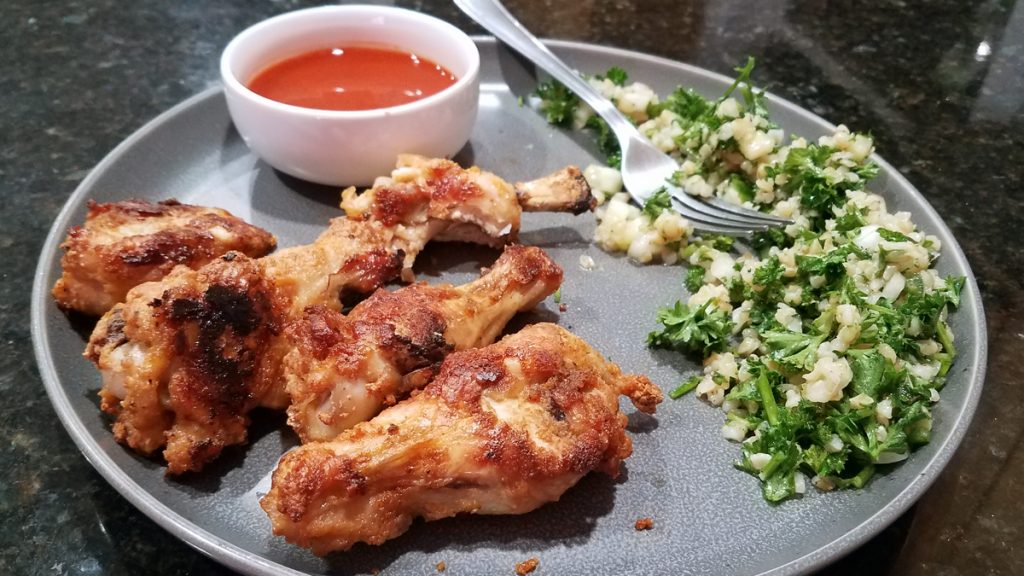
What would you prefer to feed your family? Store bought versus home grown.

Chicken Tractor - Housing

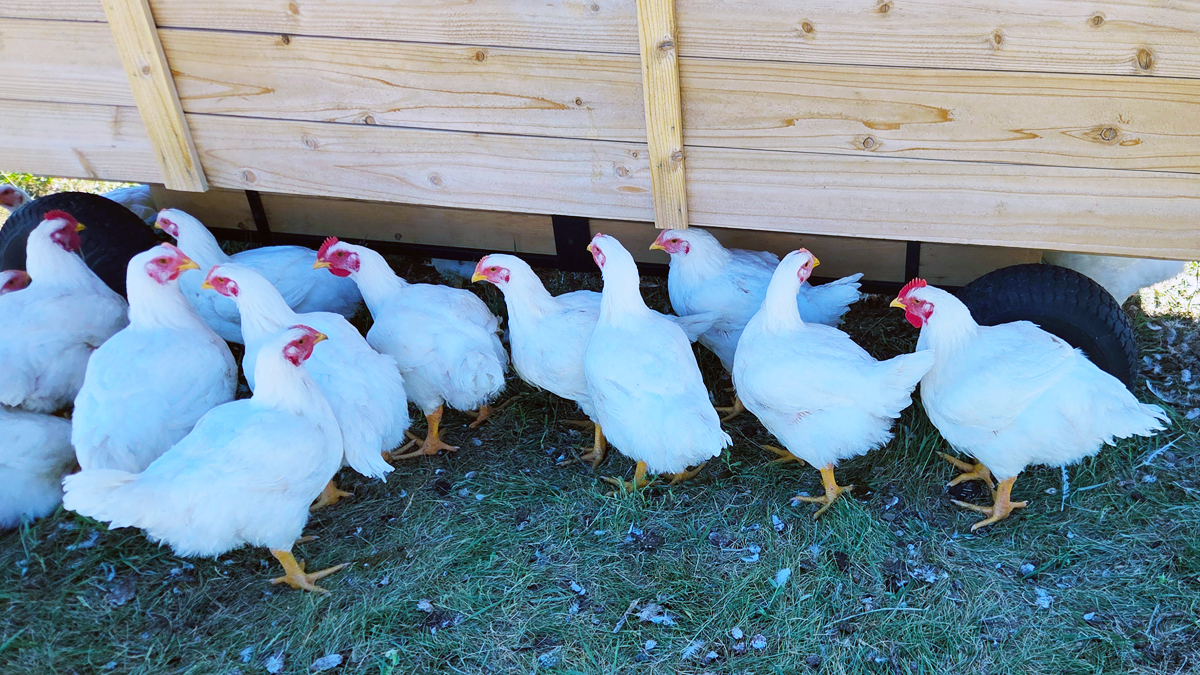
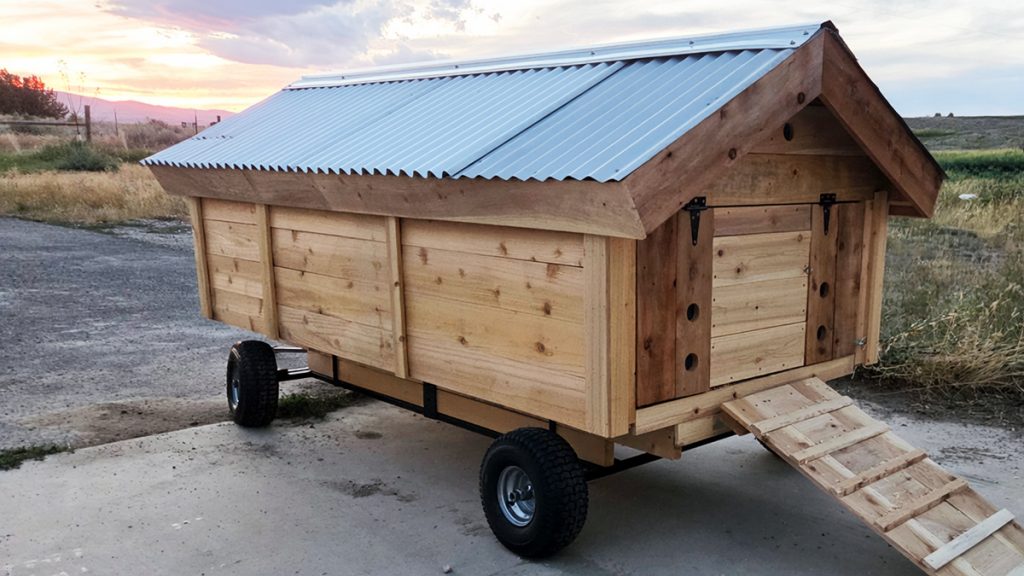
If you have the space to pasture chickens, build a mobile chicken tractor, so you can easily move birds from one part of that pasture to another. Ours is on wheels, has a solid bottom, solid walls with ventilation, and a vented roof. It is easily moved by hand, and more easily moved by a mower or tractor. What is important is that your birds are safe from predators at night, regardless of where the tractor/wagon is in the pasture.

Every single predator we have in central Wyoming is capable of getting through wire fencing give enough time, so solid-walled is ideal, and much better than any mesh bottom or mesh sided design. We used to manually lock up birds, but we installed an automatic door with a remote and solar panel, and now we just check to ensure they’ve all loaded up for the night.

Poultry Fence - Safety

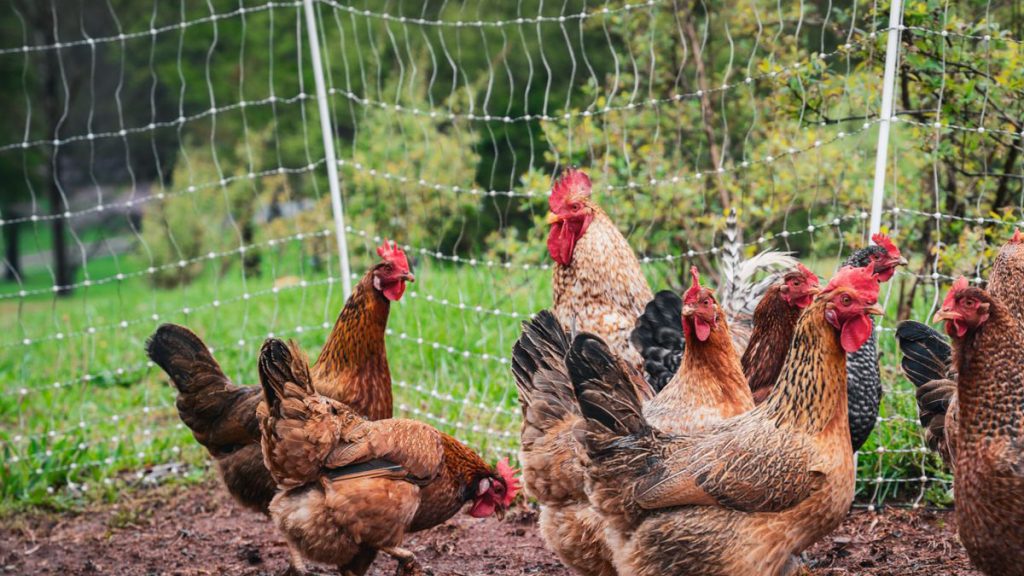
Daytime confinement keeps birds from overworking a part of your pasture, and forces them to work one area before you move them on to another. You only need fencing to contain birds, but the occasional stray cat or early morning predator is easily deterred by a good zap, so electric poultry fencing and an energizer are essential in my experience.

The most important factor for a poultry fence is to get one with smaller bottom spacing to keep birds in. A two inch bottom spacing for at least the first few rows is ideal. - like this fence. If you can run a line from an outlet, an AC fence energizer is a great and more affordable option than a solar one, but if you can’t run a capable all the time, get a hybrid solar AC energizer.
Feed

Don’t overthink feed. Meatbirds require a high protein feed to support rapid growth. Feed should be 21% protein or greater. The higher the quality feed, the better the finished birds. Don’t start out by blending your own feed your first go around. Feel free tp experiment over time, but keep things simple when starting out.

We never use medicated feeds. Our birds are unvaccinated, unmedicated, and so long as they get clean dry feed, fresh water, and their environment stays fresh and as dry as possible, you should never have an issue. We also like to switch from a crumble to pelletized feed as soon as the chickens are large enough, because it produces lest waste. If you don’t plan to put feed in feed bowls or trays multiple times a day, you can use a feed bin and install feeder ports. The more chickens you have, the more bins and ports you’ll need. We like Tuff Stuff bins with these ports.

Chickens should have access to fresh water 24/7, but don’t leave open access to feed at night. During the last couple of weeks of life, our birds get scratch to increase fat percentages. In fall, we already see nighttime lows in the teens, so scratch increases their heat output. You may not want to do this mid-summer. Don’t provide feed to chickens the morning of processing. The processing will be much cleaner if the birds have empty crops.

    Feed Schedule
  • Week 0 - 3 | Meatbird Starter Feed
  • Week 3 - 8(up to 12) | Meatbird Grower Feed
  • 2 Weeks Before Slaughter | Provide Scratch Grains
Choose The Right Breed

Heritage breeds may have historically been the go-to for raising birds, but selective cross-breeding has created much better birds for meat. Pioneers, rangers, dual-purpose Hampshires, Plymouths, etc., might inspire images of birds running freely around an old picturesque farm from the forties and fifties, but warm feelings and marketing don’t make them taste better, grow more quickly, or yield more. In my personal opinion, those varieties end up tougher, overly lean, and you’d be better off shooting a limit of pheasant and grouse than spending a full season raising most of those breeds.

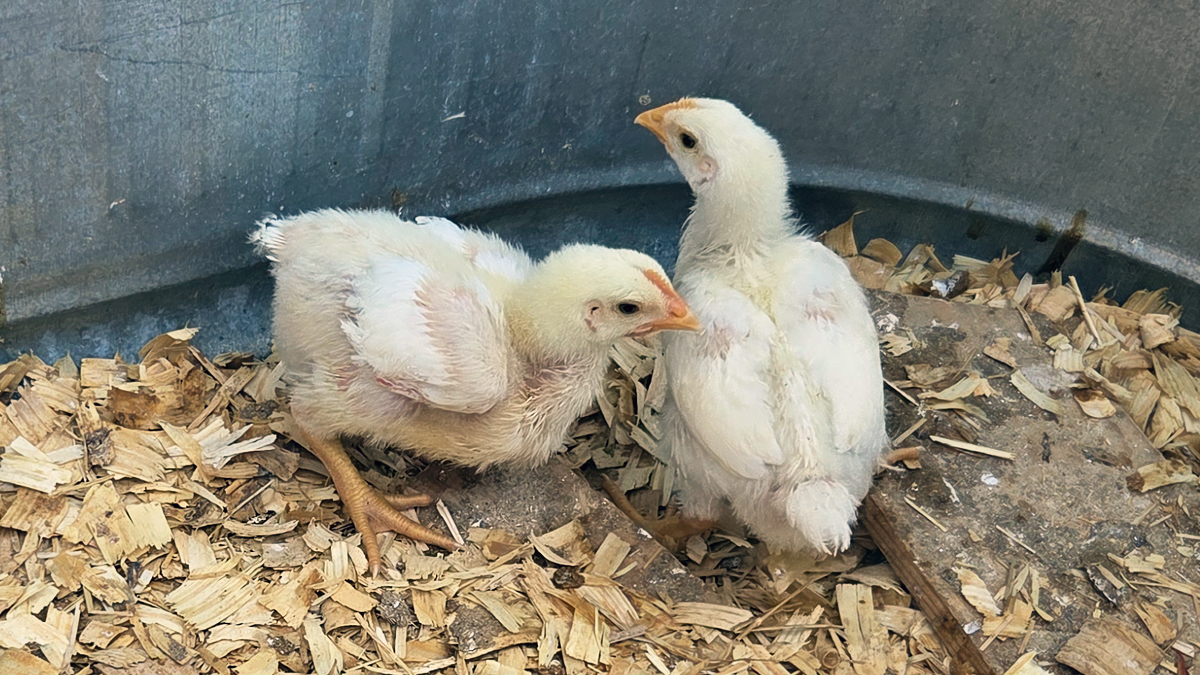
A healthy Cornish Cross, put on pasture early, given a good diet, clean water, and forage opportunities, will turn into a 5 to 8 pound bird in 8 to 12 weeks. By comparison to a Cornish Cross, other breeds take forever, and you’ll likely want to do just one batch, whereas you can do a spring and fall batch when raising Cornish Cross, with a break in the middle of the summer, even in areas with shorter growing seasons. Due to fast growth, unhealthy Cornish Cross birds can develop heart issues and may even die. Some hatcheries recommend against raising them above 5000 feet so they don’t develop those issues. However, we regularly raise Cornish Cross birds at over a mile high without those issues because our birds have a healthy and active lifestyle.

Choose The Right Hatchery

We've used a few different mail-order hatcheries over the years, and I won't name names, but we've had our fair share of issues. Every time we’ve had an issue with a shipment of chicks, the hatcheries we have used have made things right financially, but the real issue is that these ag companies and partner hatcheries generally ship on their own schedule, and ship dates can range from leaving the hatchery within a week of an order to waiting 8 weeks before needing to follow up for a future ship date.

The timing makes it hard to plan an 8-week to 12-week grow-out. Our shipments often arrived at the latest part of a shipping window, meaning chicks would arrive lethargic after being in a box for the maximum amount of time they can survive in shipping. Many hatcheries send extra chicks to make up for future losses, and if the losses are even greater, good hatcheries reimburse you. However, if you planned to raise 36 birds, and lose 12, getting reimbursed doesn't help you achieve your planned yields or replace chicks with same-aged chicks. One of the last things you want to do is try to raise groups of birds that differ by more than a few days in age. It is a pain in the ass; don’t do it.

If you can work through a local hatchery, give that a shot. If you can’t, then the best option I've used to date is HatchingTime. I scheduled a delivery for the number of birds I wanted to raise, weeks in advance. When the time came, they shipped when they said they would and the chicks arrived more quickly than any other hatchery we had previously used. We received the exact number we ordered, and the chicks were all healthy and energetic. We had zero losses, and the chicks have been the most active, healthy, free-ranging meatbirds we've ever raised, and our grow-outs have gone perfectly as a result.

The cost per chick worked out to about 10 cents more per chick when compared ot other hatcheries, which is almost negligible for a finished bird, and a small price to pay for healthy chicks shipped on my schedule.

Store bought poultry just doesn't compare to what you can raise on your own.

Kale and The Cornish Cross - The Same Beast

Somehow, the Cornish Cross earned a stigma because it is not a heritage breed. The same folks waiting in line for dinosaur kale at the farmers market, with a stick in the butt over heritage chicken breeds, owe those diverse and hippy dippy brassica-eating opportunities to centuries of selective breeding that turned a perennial sea kale into the diverse range of EVERY different brassica, from Brussels sprouts and cabbage to kohlrabi and the half dozen kale varieties available at the farmer's market.

The Cornish Cross is no different from kale, in its creation. It was not gene-edited or made in a lab; it is the result of selective breeding, and the result is a better meat bird than your great-grandpa’s scrawny and tough dual-purpose ‘heritage’ rooster. Once you successfully do a run of Cornish Cross birds, you’ll never look back at those other breeds and think they are anything but overhyped. You are free to disagree, but you’d be wrong. Feel free to give some of those other breeds a go, you may have other reasons, or perhaps sentiments about a heritage bird are enough for you to want to raise them. To each their own. I don't want to dissuade anybody from growing their own food, and the breed to raise is entirely up to you. All the other information I supplied is still applicable.

Frequently Asked Questions

What are the best chicken breeds for meat?
Cornish Cross, Freedom Rangers, Red Rangers, dual-purpose breeds like Jersey Giants, Rhode Island Reds, Orpingtons, Plymouth Rocks, and Astralorps are the best breeds to raise for meat, with Cornish Cross being the top choice due to its fast growth and high-quality meat. If we chose to raise dual-purpose breeds at Hickok Farms, we would probably grow Jersey Giants or Orpingtons, since they both have a calm demeanor, grow to larger sizes, are cold hardy, and are commonly found at farm stores in spring.
How long does it take to raise chickens for meat?
It generally takes anywhere from as little as 6 weeks, to over 20 weeks to go from a chick to a mature bird that is ready to process, depending on breed. We never slaughter before the 8 week mark to get birds closer to 4.5 lbs when processed, but we prefer the 10 and 11 week mark, which yields 5 to 6 lbs birds.
  • Cornish Cross 6-12 weeks
  • Freedom Rangers, Red Rangers, 9-12 weeks
  • Dual-purpose breeds, like Jersey Giants, 12–20+ weeks
What do meat chickens eat, and how much feed do they need?
Meatbirds eat a chick starter feed that is approximately 20–22% protein for the first 2 to 3 weeks, then transition to a broiler or grower feed, with a protein percentage of at least 20%. Meatbirds that are raised on pasture will consume less feed, which is available to them all day, every day. Scratch grains can be introduced for the last couple of weeks, in addition to feed, or earlier in cold weather. At Hickok Farms we’ve found that a meatbird will generally eat 3 times its processed weight, which equates to a range of about 12 to 18 lbs of feed over its lifetime, depending on its age at processing. Extra-long growing times will see a diminishing return as a ratio of feed cost to mass gained past the 6 lbs mark.
How much space do meat chickens need?
Free-range meat birds only need about 3/4 square foot at nighttime for shelter and protection from predators during the day. Netting can help contain birds to an area of pasture and can be moved to prevent "over-grazing".
What are the most common health problems with meat chickens?
Leg issues, cardiovascular issues, Coccidiosis, respiratory problems, and heat stress. Rapid growth and excessive body weight can contribute to difficulty walking and heart problems. Pasture-raised birds with a high-protein diet seem to be unaffected by these issues, as they build strength, not just mass, by being mobile. Coccidiosis, respiratory problems, and heat stress occur, but are all also easily avoidable. Provide clean and dry feed, water, spaces with good airflow, and shade to avoid these issues. Raising birds on pasture seems to help prevent all of the issues that are more common with pen-raised birds.
When are meat chickens ready to butcher, and how much meat will you get?
Our experience with raising the Cornish Cross on pasture at Hickok Farms is a 4.25 to 4.5-pound bird at 8 weeks, and birds achieving 7 pounds or greater at 12 weeks. Those are dressed-out weights, which are about 70% to 75% of the live weight of birds.
What does it cost to raise meat chickens?
Our experience at Hickok Farms is that a pasture-raised bird will range in finished cost from $1.31 to $1.80 per pound, which does not include the cost of labor or housing. It only factors in the initial purchase of a chick and the feed consumed in its lifetime.

TLDR (Too Long; Didn't Read)

Housing and Protection
  • Build a mobile chicken tractor with a solid bottom, solid walls, ventilation, and a vented roof. Solid walls protect against predators better than mesh, since most predators can get through wire.
  • Birds must be secured at night. An automatic door with a remote and solar panel saves the chore of locking them up by hand.
  • If you can’t free-range, provide a large, secure run and avoid overcrowding. Expect a higher finished cost per pound for confined birds.
  • Daytime fencing keeps birds working one area of pasture at a time.
  • Electric poultry fencing with an energizer is essential for deterring daytime predators.
  • Choose fencing with tight bottom spacing (about 2 inches for at least the first few rows) to keep birds in.
  • An AC energizer is cheaper than solar, so use an AC energizer if you can.
Feed and Water
  • Provide fresh water 24/7
  • Meatbirds require a high protein feed to support rapid growth. Feed should be 21% protein or greater.
  • The higher the quality feed, the better the finished birds.
  • Don’t start out by blending your own feed. Experiment over time, but keep things simple
  • We never use medicated feeds. Our birds are unvaccinated, unmedicated. Keep feed, water, and their environment clean, and they will stay healthy.
Sourcing Chicks
  • Many hatcheries tend to make things right financially after problems, but their shipping schedules are unpredictable, with waits ranging from a week to 8+ weeks.
  • Late-arriving chicks are often lethargic from the maximum time in the box.
  • Reimbursement for losses doesn’t help you hit your planned yields or replace chicks with same-aged birds. Avoid raising groups that differ by more than a few days in age.
  • Use a local hatchery if possible. Our best experience has been with HatchingTime, which shipped on schedule, delivered the exact count ordered, and had zero losses, at about 10 cents more per chick.
  • We choose “unvaccinated birds”.
Choosing Chickens Breeds
  • We recommend Cornish Cross over heritage and dual-purpose breeds that are slower to grow.
  • A healthy Cornish Cross on pasture reaches 5 to 8 pounds in 8 to 12 weeks, allowing a spring and fall batch with a midsummer break.
  • Fast growth can cause heart problems and death in unhealthy birds. Some hatcheries advise against raising them above 5,000 feet, but the we raise them at over a mile high successfully by keeping them active and healthy.
  • Early pasture access, good feed, clean water, and forage opportunities are key.
  • The Cornish Cross isn’t unnatural. Like kale and other brassicas bred from sea kale, it’s the product of selective breeding, and it makes a better meat bird than heritage varieties.