
Roman Chamomile (Chamaemelum nobile)
Common Names
Roman Chamomile, English Chamomile, Ground Apple, Lawn Chamomile, True ChamomilePlant Family
Asteraceae (Daisy Family)Native to North America?
No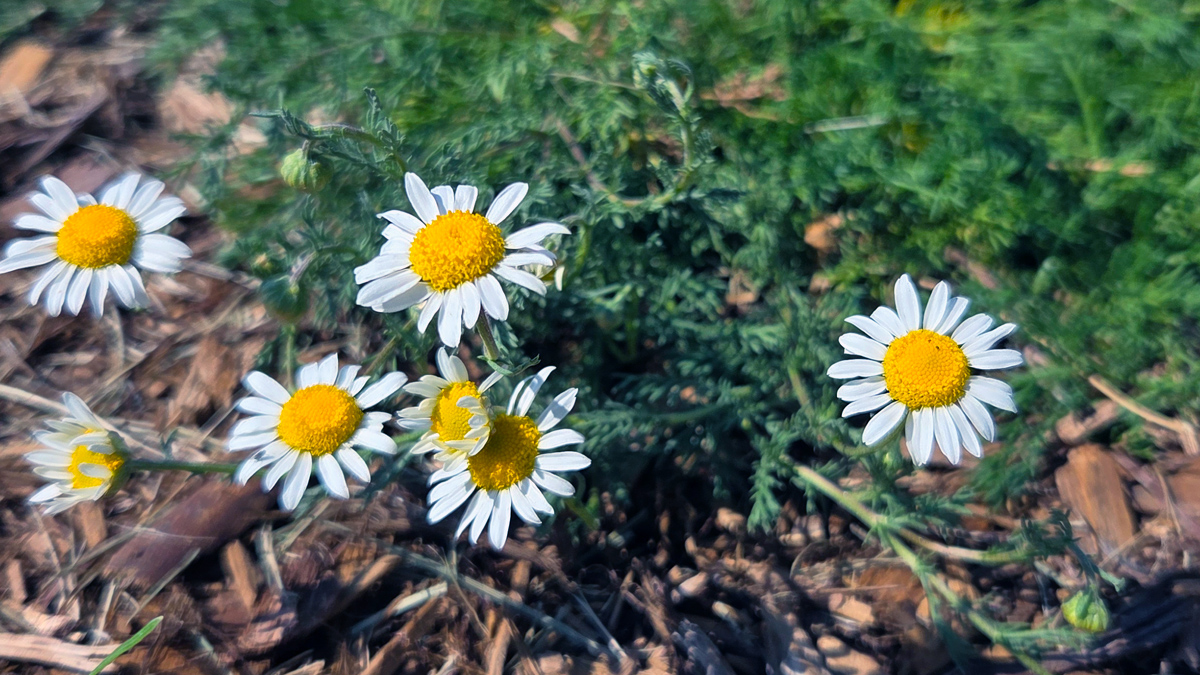
Description/Taxonomy
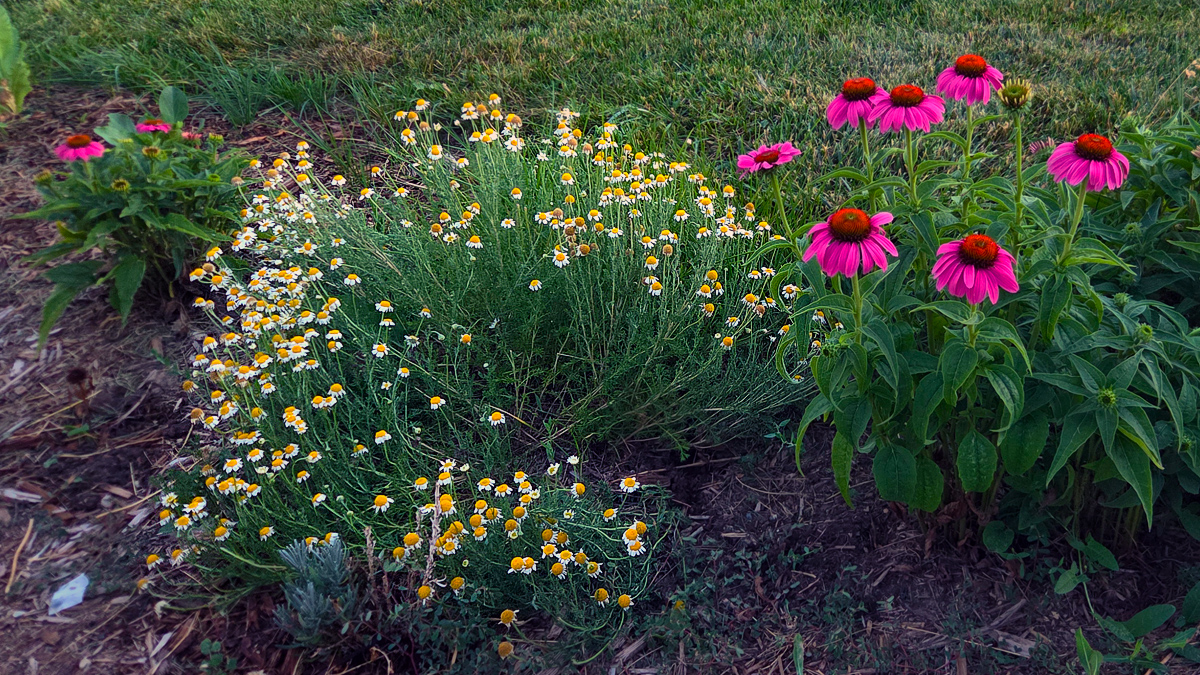
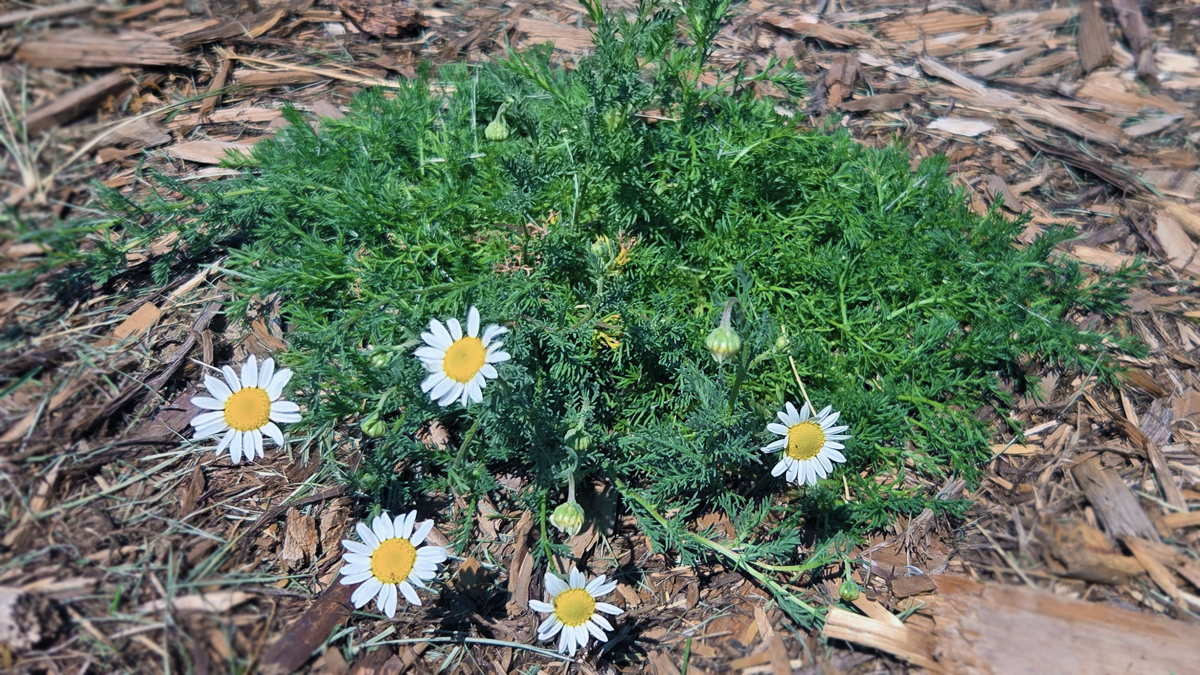
Roman chamomile (Chamaemelum nobile, formerly Anthemis nobilis) is a low-growing, mat-forming perennial herb native to Western Europe. It has finely divided, feathery, apple-scented foliage and produces small, daisy-like white flowers with yellow centers on short stems. Unlike German chamomile (an annual), Roman chamomile is a true perennial and spreads to form a dense, aromatic groundcover, which has historically made it popular as a fragrant lawn or path substitute.
History
Roman chamomile has been used since antiquity by the Egyptians, Greeks, and Romans for its calming and medicinal properties. It was a favored strewing herb in medieval households for its pleasant apple-like fragrance and was also planted as fragrant lawns and chamomile 'seats' in Elizabethan gardens. It remains a classic component of European herb gardens today.
Parts Used
Flowers (primarily), leaves
Hickok Farms Products
Coming Soon
Cultivation
Roman chamomile prefers well-drained, light soil and full sun to part shade. It tolerates being walked on and light foot traffic, which is why it was traditionally used for fragrant lawns and paths. It spreads by creeping stems that root as they grow, forming a dense mat. Regular mowing or trimming can keep it low and encourage denser growth. It is relatively low-maintenance but benefits from occasional division to maintain vigor.
Growing Zones
4-9
Light Requirements
Full Sun to Part Shade
Soil Moisture
Medium to Dry (well-drained)
Mature Height
3" - 12" tall
Mature Spread
1' - 1.5' wide (spreading, mat-forming)
Bloom Time
Summer (white flowers with yellow centers)
Advantages
Fragrant apple-scented foliage, tolerates foot traffic, good groundcover/lawn substitute, attracts pollinators, deer resistant, low-growing habit good for borders and between pavers
Constituents
Essential oils containing esters of angelic and tiglic acid, alpha-bisabolol, chamazulene, and flavonoids such as apigenin, which contribute to its calming and anti-inflammatory properties.
Culinary Uses
The dried flowers are most commonly used to make a mild, apple-scented herbal tea. Occasionally used to flavor beverages and desserts, though German chamomile is more commonly used commercially for tea production.
Herbal and Medicinal Uses
Widely used in traditional herbal medicine as a calming tea to promote relaxation and support sleep. Also used to soothe digestive upset, reduce inflammation, and as a mild anti-anxiety remedy. Topically, chamomile preparations have been used for skin irritation and to soothe minor wounds. It is also popular in aromatherapy for its calming scent.