Sunflower, Maximilian (Helianthus maximiliani)
Common Names
Maximilian Sunflower, Michaelmas Daisy, Max SunflowerPlant Family
Asteraceae (Daisy Family)Native to North America?
Yes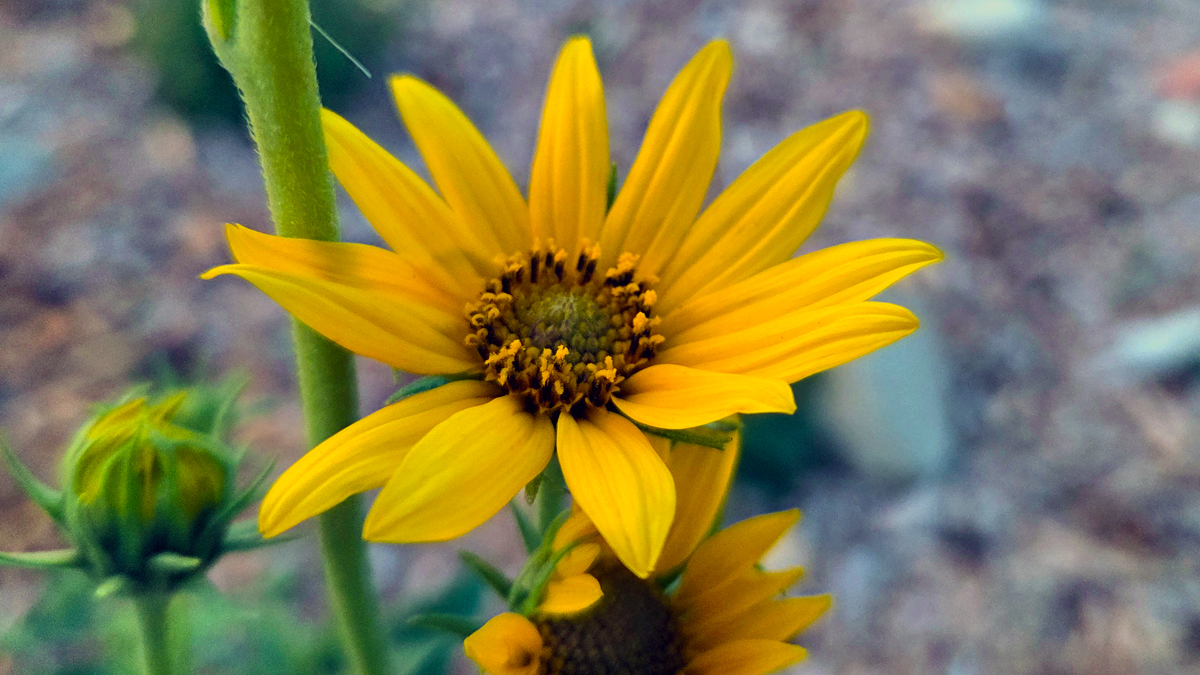
Description/Taxonomy
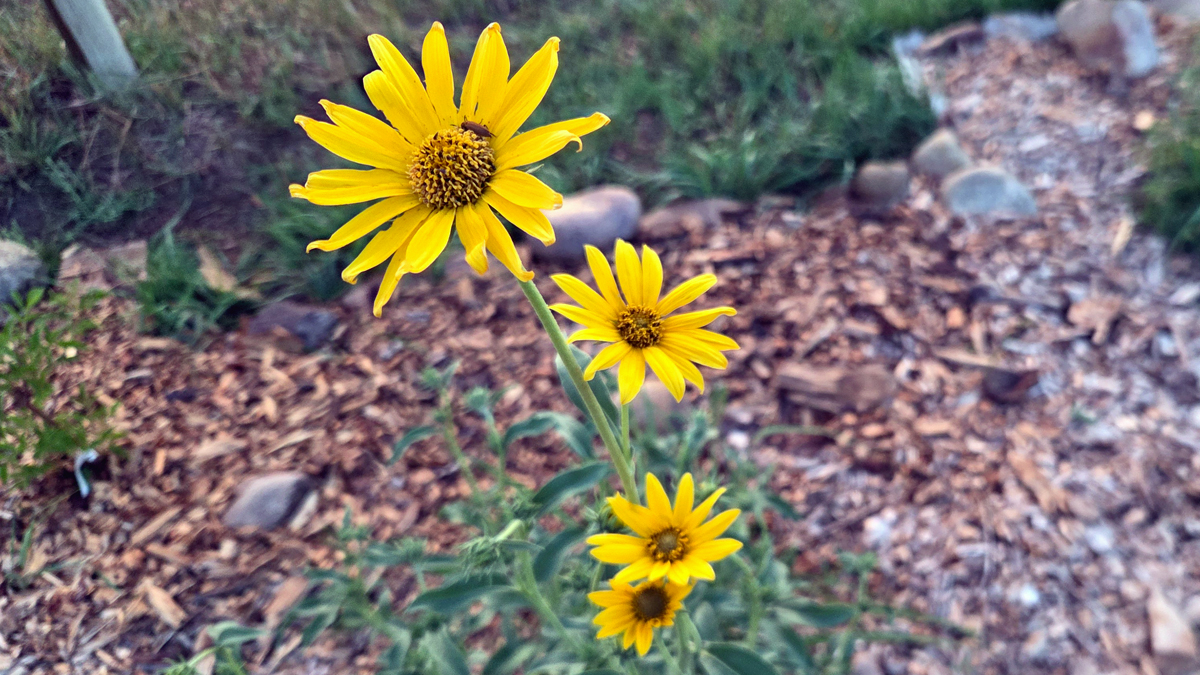
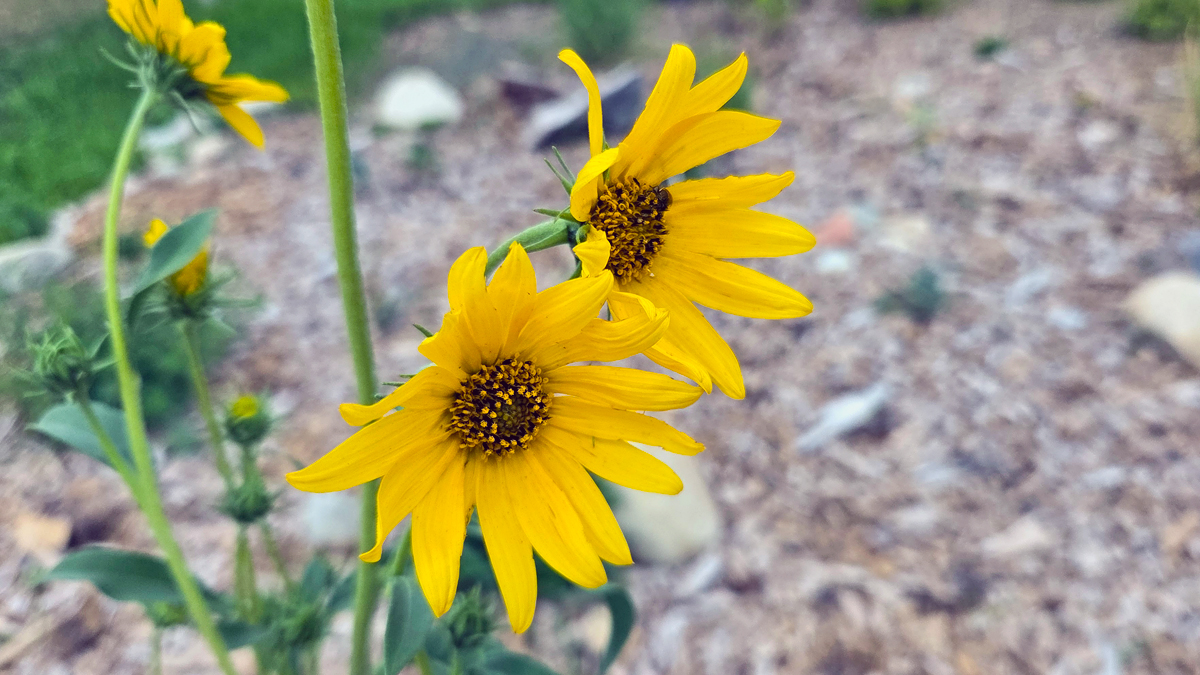
Maximilian sunflower (Helianthus maximiliani) is a tall, rhizomatous perennial sunflower native to the North American prairies. Unlike the common annual sunflower, this species forms dense colonies over time via spreading rhizomes and produces multiple bright yellow flower heads along a tall, unbranched or lightly branched stem, giving the plant a distinctive candelabra-like appearance in bloom. Leaves are long, narrow, and slightly folded (or 'canoe-shaped'), and the stems can grow to impressive heights.
History
The species was named after Prince Maximilian of Wied-Neuwied, a German explorer and naturalist who documented plants during his travels through the American West in the early 19th century. It has long been an important component of tallgrass and mixed-grass prairie ecosystems, providing forage for bison and other wildlife, and was used by various Plains tribes.
Parts Used
Flowers, seeds, young shoots
Hickok Farms Products
Coming Soon
Cultivation
Maximilian sunflower is highly adaptable and thrives in poor, dry soils where many other plants struggle. It prefers full sun and tolerates drought, heat, and a wide range of soil types including clay. Once established, it spreads via rhizomes and can form large colonies, making it a good choice for naturalized prairie plantings or erosion control, though this spreading habit means it may need space to roam or be planted where its vigor is welcome.
Growing Zones
3-9
Light Requirements
Full Sun
Soil Moisture
Medium to Dry (well-drained, drought tolerant)
Mature Height
3' - 10' tall
Mature Spread
2' - 3' wide (spreads via rhizomes to form colonies)
Bloom Time
Late Summer to Fall (bright yellow flowers)
Advantages
Extremely drought tolerant, attracts pollinators and birds (especially goldfinches), excellent for naturalized and prairie restoration plantings, erosion control via rhizomatous roots, deer resistant, long-lived perennial
Constituents
Seeds contain oils, protein, and various fatty acids similar to other sunflower species; foliage and flowers contain flavonoids and other typical Asteraceae phytochemicals.
Culinary Uses
Seeds are edible and can be harvested and eaten similarly to common sunflower seeds, though they are smaller. Young shoots and flower buds were historically used as a cooked vegetable by some Indigenous groups.
Herbal and Medicinal Uses
Some Indigenous groups used preparations of the plant for minor ailments, though it is far less documented medicinally than other Helianthus or prairie species. It is primarily valued today for its ecological and ornamental benefits rather than herbal use.