Red Veined Sorrel (Rumex sanguineu)
Common Names
Red Veined Sorrel, Bloody Dock, Red-Veined Dock, Wood Dock, BloodwortPlant Family
Polygonaceae (Buckwheat Family)Native to North America?
No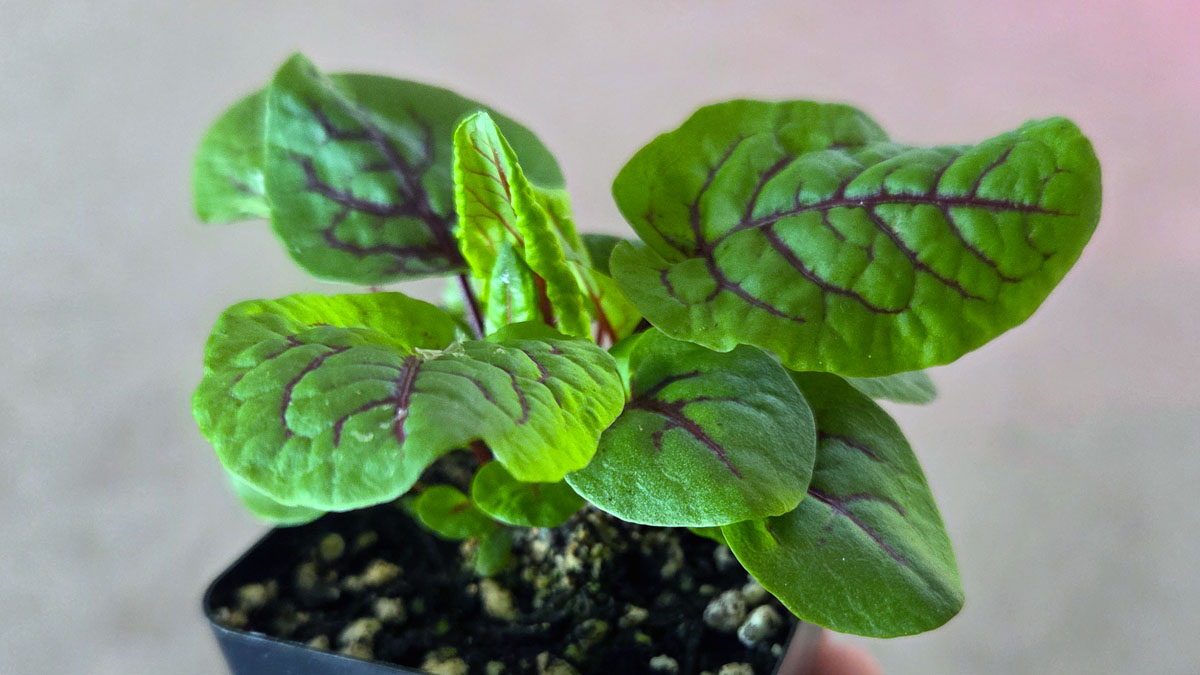
Description/Taxonomy
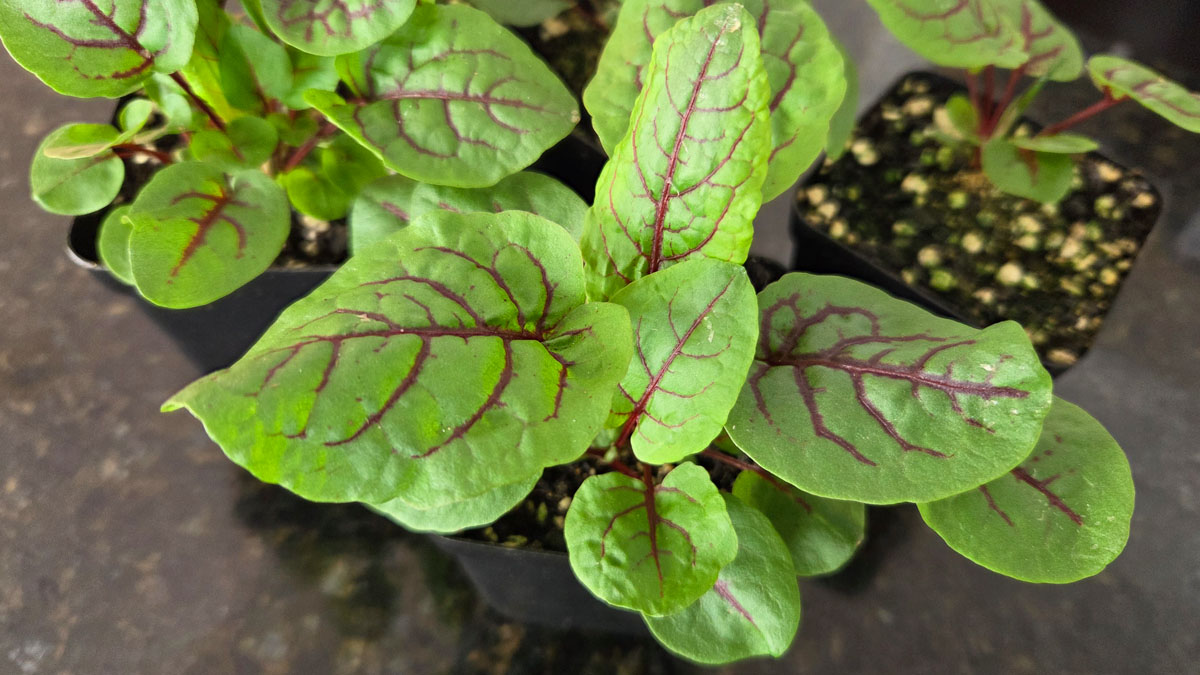
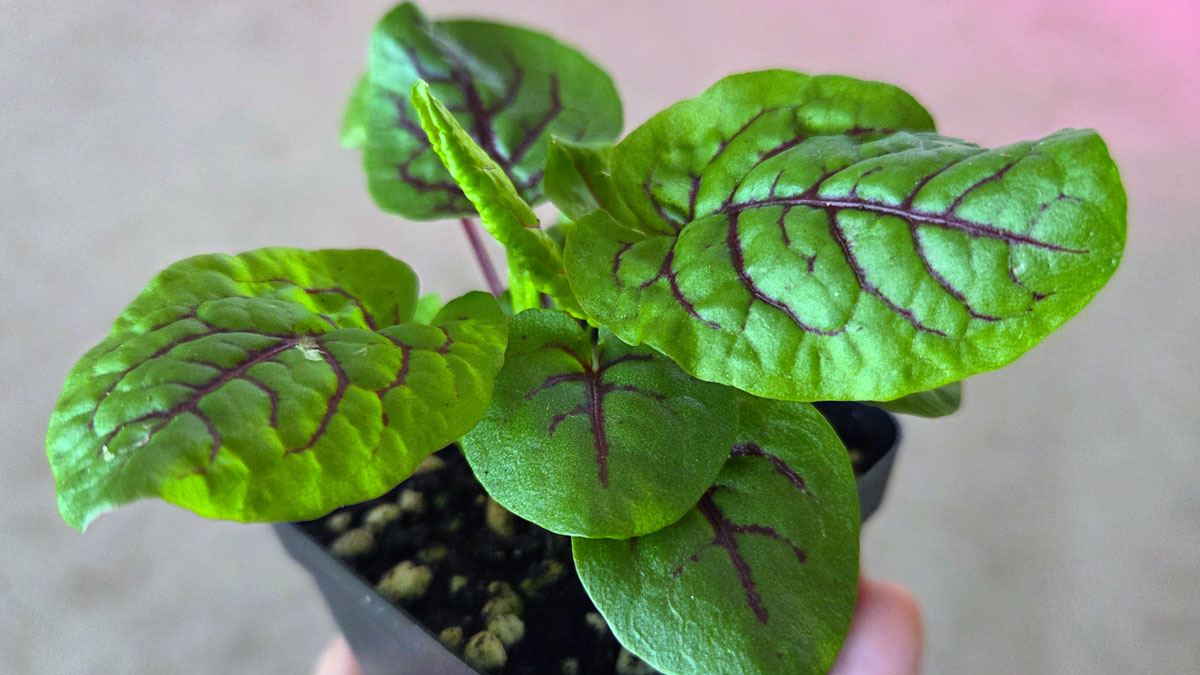
Red Veined Sorrel is a herbaceous perennial forming a low, attractive rosette of lance-shaped to oval leaves 10 to 20 cm (4 to 8 in) long, each dramatically marked with deep crimson to burgundy veining against a rich green background. The species name sanguineus is Latin for 'blood-red', referring to this striking vascular coloration. Plants grow 30 to 45 cm (12 to 18 in) tall in leaf, sending up slender reddish flower stalks to 90 cm (36 in) in summer bearing small, inconspicuous reddish-green flowers typical of the dock family. Leaves are smooth, slightly glossy, and arrow-shaped at the base. The flavor is mildly tart and lemony — characteristic of the sorrel genus — though notably milder than common sorrel (Rumex acetosa), making it well suited for fresh eating.
History
Native to Europe, western Asia, and North Africa, Red Veined Sorrel has grown wild in woodlands, hedgerows, and moist meadows for centuries. It has long been used as a pot herb and salad green across Europe, valued for its early spring emergence and sharp, refreshing flavor at a time when few other greens were available. Its ornamental qualities — particularly the vivid red veining — led to its cultivation as a decorative edible, and it became increasingly popular in kitchen gardens and gourmet culinary circles during the late 20th and early 21st centuries. Today it is widely grown both as a specialty salad crop and as an edible ornamental in herb and vegetable gardens worldwide.
Parts Used
Leaves (primarily); young stems
Hickok Farms Products
Coming Soon
Affiliate Disclosure: As an Amazon associate, we may earn commissions from qualifying purchases made through our links to Amazon.com products.
Products
Amazon
Ebay
Cultivation
Red Veined Sorrel is a hardy perennial easily grown in average to moderately fertile, moist, well-drained soil. It tolerates partial shade well, making it a useful plant for less sunny garden spots, though full sun produces the most vivid leaf coloration. Sow seed directly in spring or fall, or start indoors 4 to 6 weeks before last frost. Established plants spread slowly by clumping and self-seed readily if flower stalks are not removed. Cut flower stalks promptly to prevent bolting and to keep plants producing tender, flavorful leaves. Divide clumps every 2 to 3 years to maintain vigor. Extremely cold-hardy and one of the first greens to emerge in spring. Performs well in containers with consistent moisture.
Growing Zones
4-9
Light Requirements
Full Sun to Partial Shade (partial shade acceptable; full sun enhances red veining)
Soil Moisture
Medium to Moist (consistently moist, well-drained; tolerates brief wet periods)
Mature Height
1' - 1.5' tall (leaf rosette); up to 3' in flower
Mature Spread
1' - 1.5' wide
Bloom Time
Early to Mid Summer (June to July); flower stalks should be cut to prolong leaf harvest
Advantages
Striking ornamental foliage with vivid red veining, dual-purpose edible and landscape plant, cold-hardy perennial, one of the first spring greens to emerge, low-maintenance, tolerates partial shade, excellent for containers and border edging, self-seeding, attractive to pollinators when in flower, deer resistant
Constituents
Oxalic acid (responsible for the characteristic tart flavor), vitamin C, vitamin A, iron, potassium, calcium, and various antioxidants. Also contains tannins, flavonoids including quercetin and rutin, and anthraquinone glycosides typical of the Rumex genus. Note: oxalic acid content means consumption should be moderate, particularly for individuals prone to kidney stones.
Herbal and Medicinal Uses
Red Veined Sorrel shares the medicinal traditions of the broader sorrel and dock family. Historically, sorrel leaves were used as a cooling herb to stimulate appetite, support digestion, and as a mild diuretic. The high vitamin C content made it a valuable anti-scorbutic food historically consumed to prevent scurvy in early spring. The leaves have been applied as a poultice in folk traditions for minor skin irritations, and a tea made from the leaves has been used to support liver and digestive health. Anthraquinone compounds present in the roots have mild laxative properties. The astringent tannins contribute to its traditional use for minor inflammatory conditions. Due to its oxalic acid content, Red Veined Sorrel is best enjoyed in moderation as part of a varied diet — light cooking or blanching reduces oxalate levels. Culinary applications include fresh salads, microgreens, garnishes for soups and fish dishes, compound butters, and sauces where its mild lemony tartness adds brightness.